Popular Home Styles In Downers Grove Explained

November 21, 2025

Wondering which Downers Grove home style fits your life today and your plans tomorrow? With cottages near downtown, mid‑century classics, and modern new builds, the choices can feel overwhelming. You want a home that works for your daily routine, is comfortable to maintain, and has smart potential if you decide to renovate. This guide breaks down the most popular local styles so you can compare layouts, lot considerations, and common updates with confidence. Let’s dive in.

How Downers Grove housing evolved

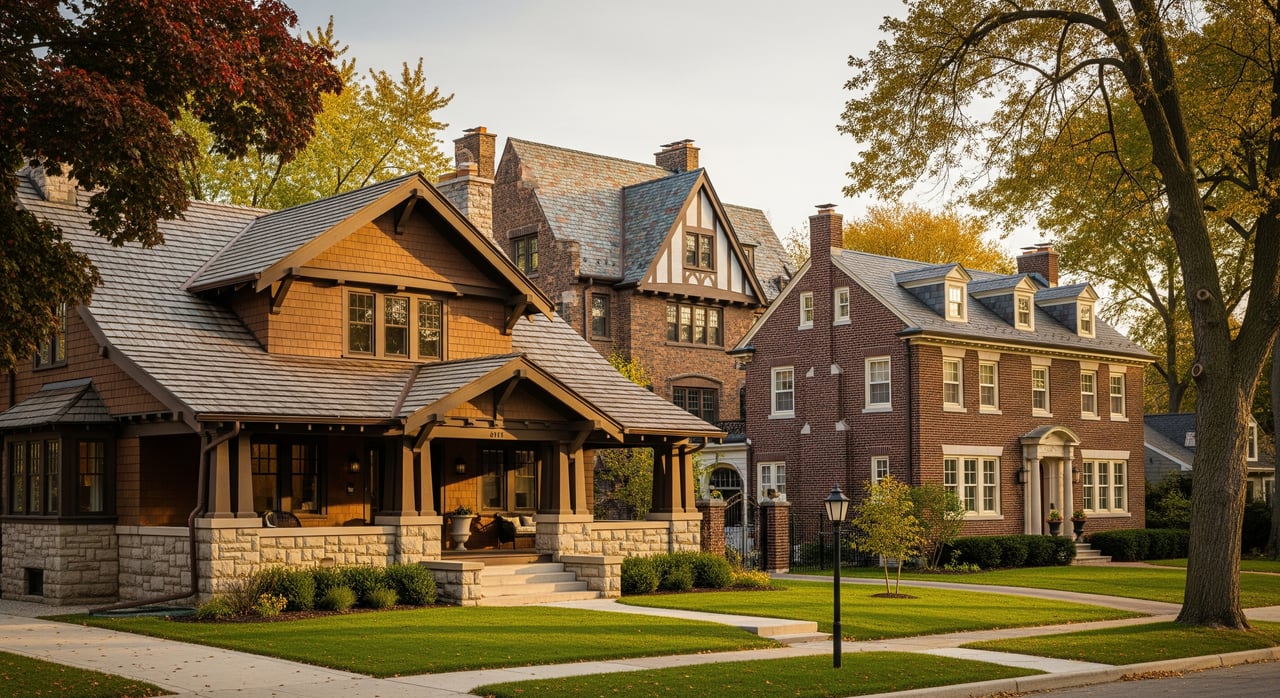
Downers Grove grew in waves. Near the historic downtown, you’ll find older homes from the late 19th and early 20th centuries. A major post‑WWII expansion in the 1950s to 1960s brought many ranches and split‑levels. More recently, infill, tear‑downs, and new subdivisions introduced larger two‑story homes with modern features.

Full basements are common across the village, and mature trees add shade and character. Lot sizes vary: expect smaller lots closer to downtown and some wider or deeper lots in mid‑century neighborhoods and planned subdivisions. Before planning additions, check local zoning for setbacks, height, and lot coverage. Properties in historic districts or with landmark status may have exterior design review. Permits and inspections are required for most building, electrical, plumbing, and HVAC work.

Split‑level homes

What you’ll notice

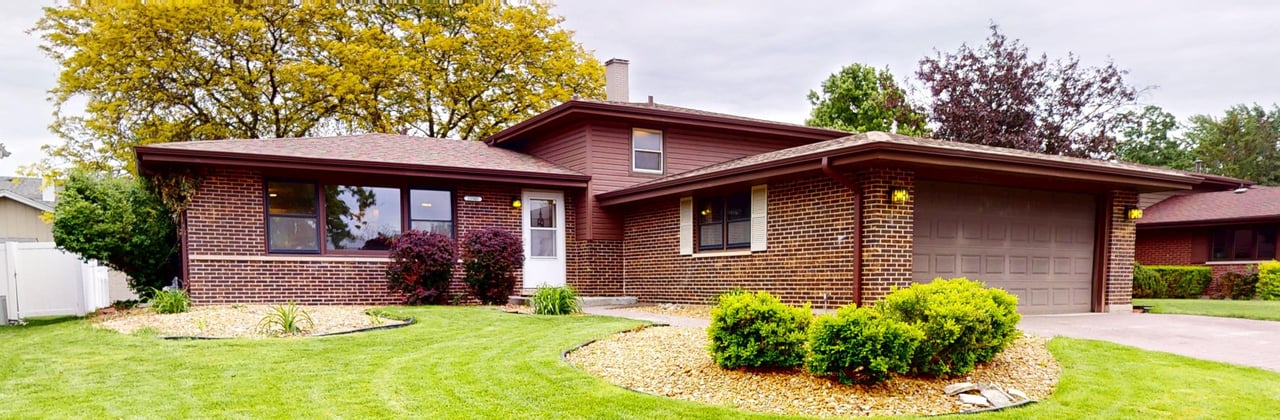
Split‑levels typically date from the 1950s to 1970s. Short stair runs connect a main living level, an upper bedroom level, and a lower family or rec space. Many include an attached garage and a partial or daylight basement. The footprint is compact because living space stacks vertically.

Lot and day‑to‑day flow

This style works well on sloped lots and fits comfortably on smaller parcels. The segmented levels create separation between living and sleeping areas. Keep in mind that multiple short stair runs can be a consideration for anyone who prefers single‑level living.

Renovation ideas

  • Open sightlines by removing select partitions, with structural review as needed.
  • Modernize the lower level into a media room, guest suite, or office.
  • Full second‑story additions are less common due to roof geometry and can be costly per square foot.

What to check

  • Stair safety and handrails, especially where past renovations changed layouts.
  • Mechanical ages and service history if equipment sits in the lower level.
  • Drainage and moisture at grade transitions into partial basements.

Cape Cod homes

What you’ll notice

Cape Cods appear in older areas and modest subdivisions, often from the early to mid‑20th century. Expect a compact footprint, steep gable roof, and dormers. Main living spaces are on the first floor, with bedroom space under the roofline where knee walls can limit head height.

Lot and day‑to‑day flow

These homes fit well on smaller lots and offer a cozy scale with lower maintenance. Upstairs rooms can feel snug without dormers. Adding dormers increases usable floor area and natural light.

Renovation ideas

  • Add shed or gable dormers to create full‑height second‑floor space.
  • Reconfigure kitchens and open select walls to improve flow.
  • If you need more square footage, dormers or a modest rear addition are common solutions.

What to check

  • Attic insulation and ventilation to reduce ice dam risk.
  • Electrical systems in older examples, including any legacy wiring.
  • Roof condition and structure, since the roof defines much of the living area.

Ranch homes

What you’ll notice

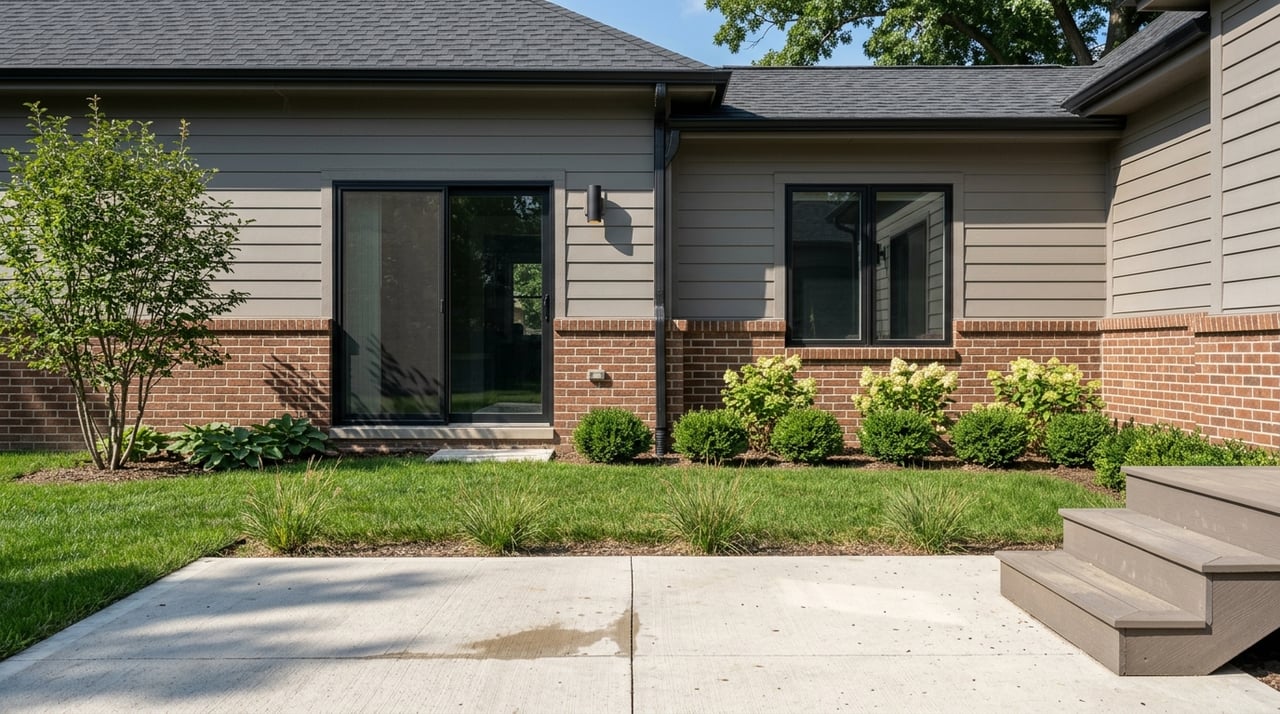
Ranches spread living spaces across one level and are very common in 1950s to 1960s neighborhoods. You’ll often see an attached garage, an efficient main floor, and a full basement that expands usable space for media, work, or hobbies.

Lot and day‑to‑day flow

Because ranches extend horizontally, wider lots are helpful for later additions. Single‑level living simplifies daily movement and can suit long‑term accessibility needs. Patio and backyard access from the main level is typical.

Renovation ideas

  • Lateral additions like kitchen bump‑outs or family rooms, if setbacks allow.
  • Finish the basement for bedrooms, offices, or a recreation area.
  • Accessibility upgrades such as wider doorways and zero‑step entries can be easier without interior stairs.

What to check

  • Roof age, HVAC systems, and any mid‑century materials that may require special handling during renovations.
  • Drainage and signs of foundation settlement in areas with clay soils.

New‑build two‑story homes

What you’ll notice

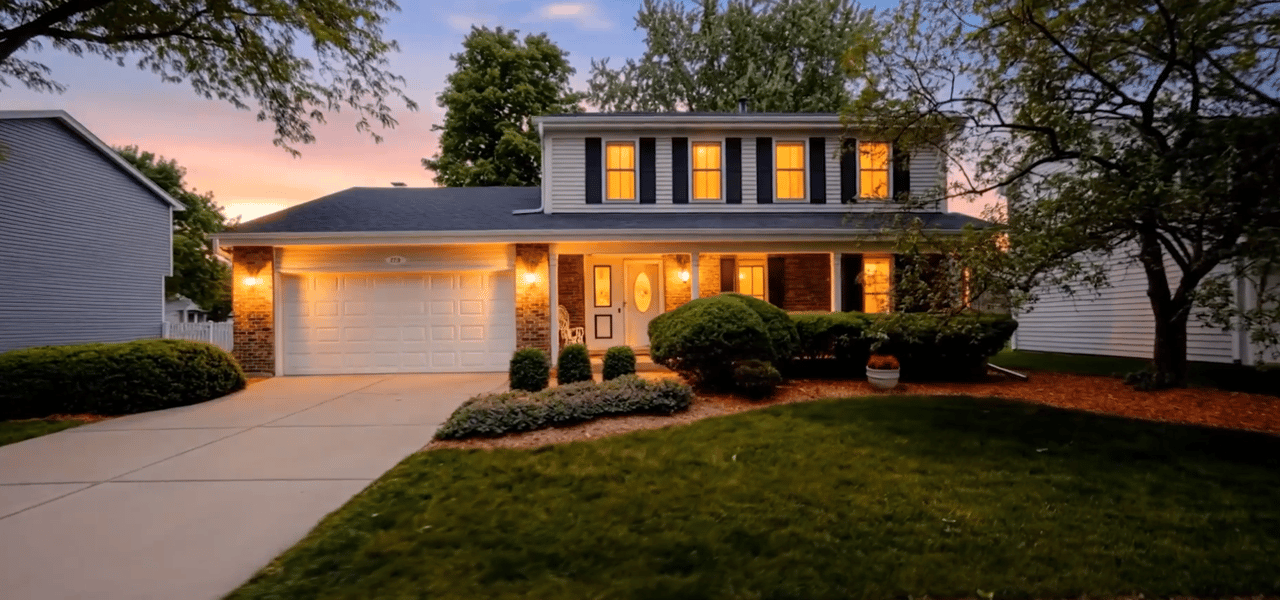
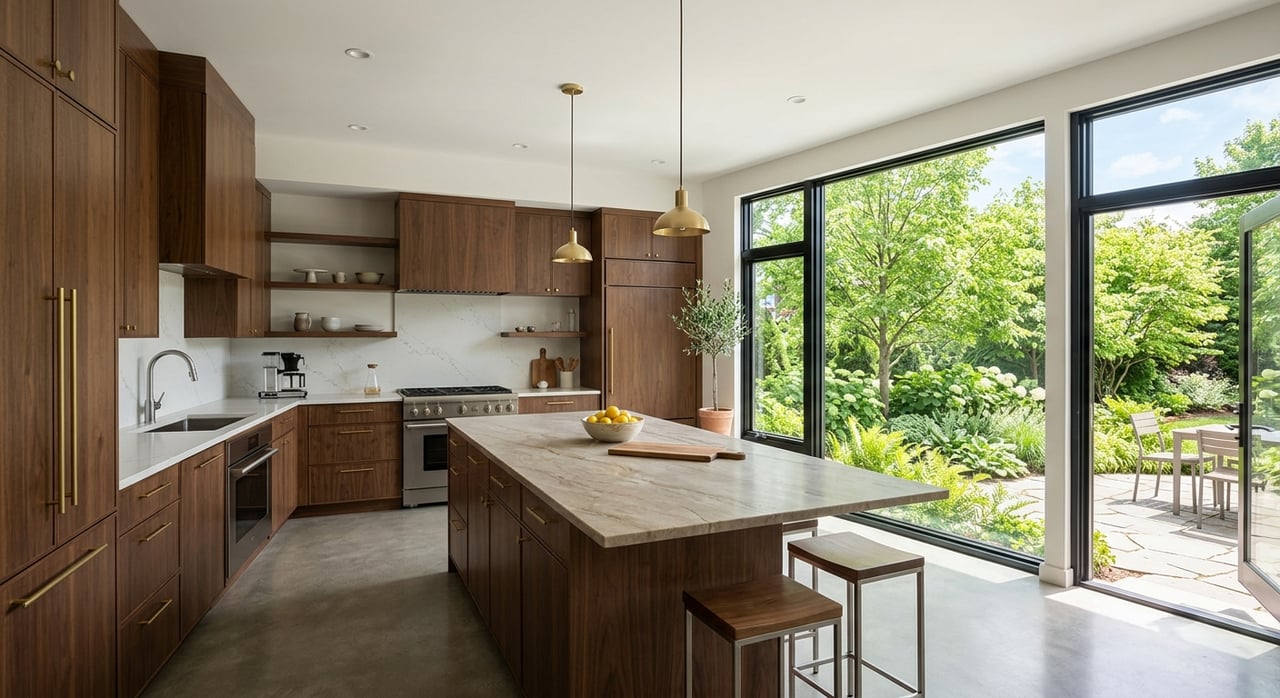
Newer construction from the 1990s to today is common on infill lots and in newer subdivisions. Expect open main floors with kitchen islands and family rooms, upstairs suites, attached garages, and modern mechanicals. Energy‑efficient features are typical.

Lot and day‑to‑day flow

Two stories maximize living area on smaller lots by stacking space vertically, preserving yard space. Neighborhood covenants or side‑yard setbacks may influence façade and garage placement. Landscaping is often younger than in surrounding mid‑century blocks.

Renovation ideas

  • Updates are often cosmetic: kitchens, baths, and finishes.
  • Adding square footage after build‑out can be limited by lot coverage rules; plan with zoning in mind.

What to check

  • Overall build quality, systems, and grading for proper drainage.
  • Scope and status of any builder warranties.

Local rules and planning tips

  • Verify your property’s zoning district before planning additions or a second story. Height, setbacks, and lot coverage affect what is possible.
  • If a home is in a historic district or is landmarked, expect exterior design review before alterations.
  • Most building, electrical, plumbing, and HVAC work needs permits and inspections. Finishing a basement or adding a bedroom requires egress and safety compliance.
  • Some parcels fall within FEMA flood zones or local stormwater basins. This can affect insurance, foundation choices, and grading.

What to consider when touring

Use this quick checklist while comparing styles and neighborhoods:

  • Lot and yard: Confirm parcel width and depth, and note whether there is alley access or a front driveway.
  • Basement and foundation: Identify whether the home has a full basement, crawl space, or slab. Look for cracks, signs of water intrusion, or prior foundation work.
  • Roof and attic: For Cape Cods and split‑levels, note roof pitch, ventilation, and any dormer potential.
  • Mechanicals and efficiency: Check approximate ages for furnace, AC, water heater, and the electrical panel. Ask about insulation and window upgrades.
  • Environmental items: Illinois can have elevated radon levels, so testing is recommended. Homes built before 1978 may have lead‑based paint. Some mid‑century materials can contain asbestos.
  • Zoning and permits: Confirm zoning district, any historic overlay, and permit history for past additions or remodels.
  • Location needs: Proximity to Metra stations, downtown shopping, parks, and schools often influences value and day‑to‑day convenience.

How to choose your best fit

  • If you want single‑level living and easy expansion on a wider lot, a ranch may be the most flexible.
  • If you want a compact footprint near established areas and you are open to dormer work, a Cape Cod can deliver charm and smart potential.
  • If you like separation of spaces and a smaller footprint on a modest lot, a split‑level can work well with a refreshed lower level.
  • If you prefer move‑in modern systems and open plans that maximize yard space, a new two‑story can be a strong match.

Your day‑to‑day routine, renovation appetite, and lot constraints should guide the decision. Square footage can feel very different across layouts. A ranch and a split‑level with similar totals will live differently because one is contiguous and the other is staggered. When in doubt, walk the floor plan twice and picture your furniture, storage, and traffic flows.

Ready for expert local guidance?

You do not have to figure this out alone. From parcel‑level zoning questions to renovation strategy and resale planning, our team can help you compare options and plan next steps with confidence. Reach out to Wenzel Select Properties for a personalized consultation tailored to your goals.

FAQs

What home styles are most common in Downers Grove?

  • You will often see ranches and split‑levels from the 1950s to 1960s, older Cape Cods near established areas, and newer two‑story homes from recent infill and subdivisions.

How does lot size affect additions in Downers Grove?

  • Setbacks and lot coverage rules limit how far you can build out, so wider or deeper lots help with ranch additions while two‑story solutions preserve yard on smaller parcels.

Are older homes in Downers Grove a risky buy?

  • Older homes can have dated mechanicals, potential lead paint, and insulation needs, but thorough inspections, radon testing, and planned upgrades make most issues manageable.

Which home style is easiest to expand for more space?

  • Ranches usually allow straightforward lateral additions, Cape Cods often grow with dormers, and split‑level or complex rooflines may require more structural work.

What should I check in basements before buying?

  • Confirm whether it is a full basement, crawl, or slab; look for moisture, cracks, or past repairs; and ask about drain tile, sump systems, and any permit history for finished spaces.

Recent Blog Posts

Stay up to date on the latest real estate trends.
November WSP Newsletter

We're excited to bring you the latest updates in real estate, market trends, and a showcase of our featured properties.

Community News

Get Ready for a Month of Holiday Cheer in Westmont

he beloved annual Holly Days Festival is back, bringing a full month of festive fun for the whole family in downtown Westmont! The highlight event is the “Frosty & Fri… Read more

Popular Home Styles In Downers Grove Explained

Community News

Embrace the Magic This Holiday Season in Downtown Downers Grove

As the air turns crisp and winter lights begin to sparkle, Downtown Downers Grove becomes the ultimate holiday hub. If you’re looking for charming traditions, cozy exp… Read more

Home Buyer Information

What a Government Shutdown Really Means for the Housing Market

There’s been a lot of talk lately about how a government shutdown impacts the housing market. You might be wondering: Is it causing everything to grind to a halt?

Home Buyer Information

The #1 Question Homebuyers Are Asking Right Now (and What It Really Means)

In 2025, the top question on every prospective homebuyer’s mind is, "Can I actually afford a home today?" It’s not just about sticker price; it’s the sum of mortgage r… Read more

Home Seller Information

DuPage County Market Snapshot (Late 2025)

Discover the latest DuPage County real estate trends! Home prices remain steady, inventory is rising, and well-priced, updated homes sell fast. Buyers gain more option… Read more

WSP Newsletter

October WSP Newsletter

We're excited to bring you the latest updates in real estate, market trends, and a showcase of our featured properties.

Community News

Halloween Happenings in Downtown Downers Grove

Autumn is here, and Downtown Downers Grove is gearing up for a month of festive fun! Whether you’re local or just passing through, there’s something spooky and sweet f… Read more

Work With Us

We pride ourselves in providing personalized solutions that bring our clients closer to their dream properties and enhance their long-term wealth. Contact us today to discuss all your real estate needs!