
Moving From Wicker Park To The Western Suburbs? Start Here
Home Buyer Information January 1, 2026
Home Buyer Information January 1, 2026
Thinking about trading Wicker Park’s walkable blocks for a little more space, a yard, and a quieter street? You’re not alone. Many city homeowners explore the western suburbs for room to grow, different school options, and a new pace of life while still staying connected to Chicago. In this guide, you’ll get a practical roadmap for timing, touring, sell-to-buy coordination, commute trade-offs, and a month-by-month checklist.
You’ll also see how a local, boutique team in the western suburbs can help you move with confidence and minimal stress. Let’s dive in.
If you want a single-family home, more bedrooms, or dedicated office space, the western suburbs offer options that are hard to find in dense city neighborhoods. Many towns also have commuter rail access, established downtowns, and park systems that support day-to-day routines.
At the same time, the move comes with trade-offs. You’ll likely rely more on a car, manage yard work and seasonal maintenance, and adjust to different nightlife and dining options than you had in Wicker Park. Understanding the balance between space, commute, and budget helps you focus your search.
Spring often brings the most listings and active buyers in our market. National data on existing-home sales from the National Association of Realtors can help you understand common seasonal patterns and how interest rates influence demand. Review NAR’s latest research on existing-home sales and watch local inventory so you can plan ahead.
Your lease or current mortgage timeline, the school calendar, job changes, and renovation needs all shape your ideal move date. Many families aim for a summer close to minimize school disruption. If you work hybrid, you might be flexible on commute length, which can widen your suburb options.
There isn’t a single “right” sequence. Match the approach to your risk tolerance and market conditions.
Start with your top priorities: commute tolerance, lot size, budget, and access to a walkable downtown. Many Wicker Park residents consider:
Map your saved areas and flag distance to Metra stations or highways like I-290 and I-88. For property taxes, review the Cook County Assessor and DuPage County Treasurer pages to compare rates and due dates. For district information and school performance data, use the Illinois Report Card and GreatSchools.
To understand local market rhythm, check monthly stats from the Chicago Association of REALTORS market reports. This will help you anticipate days on market and competition.
When you tour, go beyond the house and evaluate the block and daily routine.
Bring a home checklist. Ask about roof age, HVAC and water heater age, foundation and drainage, easements, and property lines. Request available maintenance records and disclosures.
Do at least one real commute. Ride Metra during peak hours or drive your route during rush hour. The Metra system map and schedules show the lines that serve the western suburbs and their Chicago terminals.
Door-to-door times vary by town, time of day, and weather. Inner western suburbs can often reach downtown in roughly 20 to 40 minutes by Metra or car, while farther suburbs can run 45 to 70 minutes or more. Always test your exact route using the Metra schedules and a peak-hour drive.
Single-family homes offer more interior space and a private yard, but you’ll take on yard care, snow removal, and seasonal maintenance that your city HOA may have handled. Budget for property taxes, utilities scaled to larger square footage, and any HOA fees if you choose a townhome or condo.
Most western suburbs host farmers markets, festivals, parks, and recreation programs. Nightlife is different than Wicker Park, and many restaurants close earlier. If late-night dining is a must, prioritize towns with active downtowns near transit.
Use this timeline to stay organized and reduce stress.
A close-in suburb with tree-lined streets and an established downtown. Multiple train options connect to Chicago. You’ll find vintage homes, walkable blocks, and a range of local arts and community programming.
A commuter suburb with a vibrant city center, parks, and a commuter rail station. Housing types range from post-war homes to newer construction. Many buyers choose Elmhurst for a balance of space and downtown convenience.
Home to our brokerage and a lively Main Street corridor anchored by a Metra station. You’ll see a mix of historic homes, mid-century ranches, and new builds. Community events and parks are part of the local rhythm.
Known for an active downtown, Metra access, and established residential streets. Housing stock includes older homes with character and renovated options. Location offers convenient access to I-294 and I-55.
A larger suburb with multiple neighborhoods, park systems, and a busy downtown near commuter rail. You’ll find newer subdivisions, larger lots in select areas, and a wide range of housing styles.
A move from Wicker Park to the western suburbs is a big decision, but it does not have to be complicated. With a clear plan, real commute testing, and coordinated buy-sell strategy, you can make the switch with confidence.
Based in downtown Downers Grove, our boutique team combines local market expertise, professional marketing, and hands-on guidance. We help you time your sale, stage and price for top results, and tour target towns efficiently. If you are weighing renovation or even a custom build, our construction advisory can help you compare options. Ready to map your move? Reach out to Wenzel Select Properties for a personalized consultation.
Stay up to date on the latest real estate trends.
Community News
WSP Listings
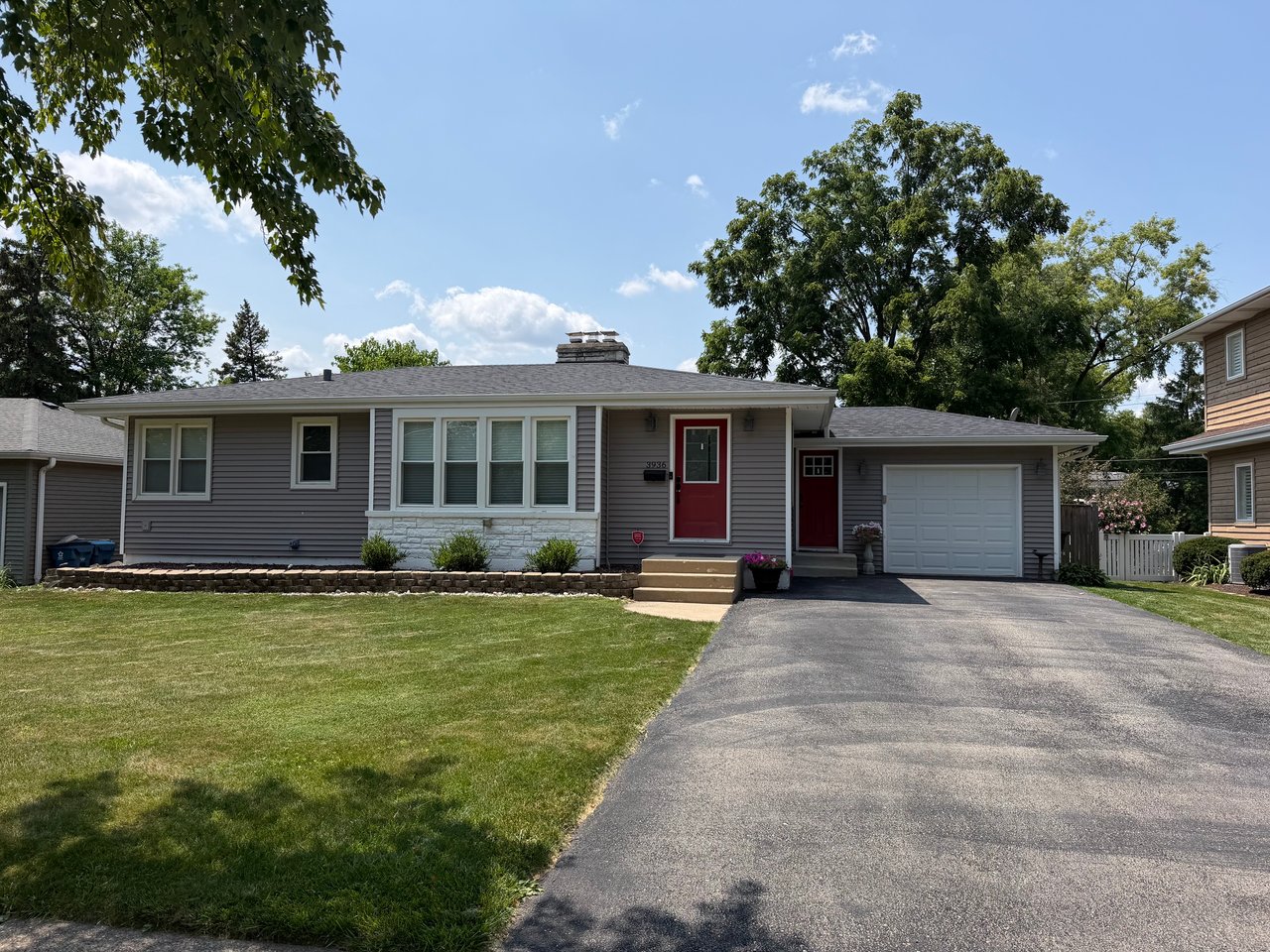
There are some homes that look good in photos, and then there are homes that feel good the moment you walk through the door. 3936 Highland Avenue in Downers Grove is t… Read more

Community News

Community News
WSP Listings
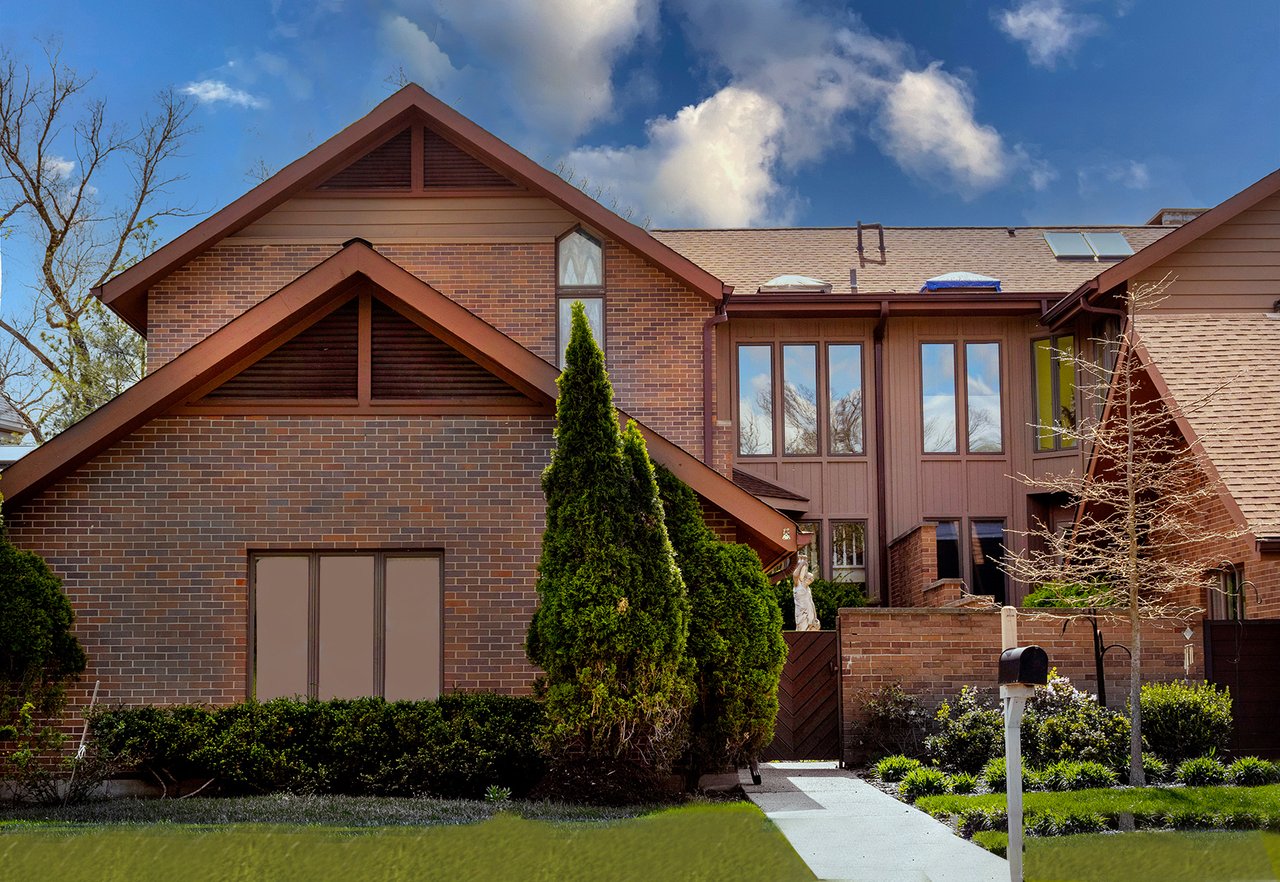
Some homes impress with their size. Others stand out because of their location. A select few offer a lifestyle that is nearly impossible to replicate. 1210 Hawthorne L… Read more
Community News
Community News
Home Sales, Prices & Market Trends
We pride ourselves in providing personalized solutions that bring our clients closer to their dream properties and enhance their long-term wealth. Contact us today to discuss all your real estate needs!