
PMI Explained For Lakeview Condo Buyers
Home Buyer Information December 4, 2025
Home Buyer Information December 4, 2025
Buying a Lakeview condo in Decatur is exciting, but the details around private mortgage insurance can feel confusing. You want a clear picture of what PMI is, when it applies, and how it affects your monthly payment. In a few minutes, you will understand how PMI works for condos, what drives the cost, and how to remove it when the time is right. Let’s dive in.
Private Mortgage Insurance, or PMI, applies to many conventional loans when your down payment is under 20 percent. It protects the lender if you default, and you pay the premium. You can learn the basics in this overview of mortgage insurance from Freddie Mac.
PMI is different from FHA mortgage insurance, which uses its own rules and fees. If you use a VA or USDA loan, you will not pay conventional PMI, but those programs have other funding or guarantee fees.
If you buy a condo with a conventional loan and put less than 20 percent down, PMI usually applies. Lenders also review the condo building’s eligibility and health, which can influence your loan options and pricing. Some project characteristics can lead to stricter underwriting or different insurance terms.
If you choose an FHA loan with a lower down payment, you will have FHA mortgage insurance instead of PMI. FHA also requires the condo project to meet FHA approval standards.
PMI pricing varies by your profile and the property. Industry guidance shows many annual PMI rates fall roughly between about 0.3 percent and 1.5 percent of the original loan amount, with stronger credit and lower loan‑to‑value on the lower end. For a plain‑English explanation of what affects PMI rates, review Fannie Mae’s mortgage insurance overview.
Each option changes your monthly cost and long‑term interest. Ask lenders for side‑by‑side comparisons.
FHA loans use mortgage insurance premiums rather than private PMI. FHA usually charges an upfront premium that is often 1.75 percent of the base loan amount, plus an annual premium paid monthly. Details and current rates are listed on HUD’s FHA mortgage insurance premiums page.
FHA also has condo‑specific approval rules. You can check policy guidance on HUD’s condominium approval page. FHA mortgage insurance lasts for different durations than PMI, and in many cases it remains for the life of the loan unless specific criteria are met.
Under federal law, many conventional loans allow you to cancel PMI once you reach 20 percent equity, and lenders must terminate it automatically at 22 percent equity if you are current on payments. The CFPB explains PMI cancellation and your rights.
Common paths to removal include:
To understand what PMI is in the first place, see the CFPB’s guide to what private mortgage insurance is.
These examples are for illustration. They show how PMI can change with price, down payment, and rate assumptions. Your actual PMI will depend on your credit, building qualifications, and lender quotes.
How to estimate monthly PMI:
Hypothetical entry condo at $80,000
Hypothetical mid‑range condo at $140,000
Hypothetical higher‑priced condo at $220,000
Remember, PMI is just one piece of your monthly payment. You will also budget for principal and interest, property taxes, homeowner’s insurance, and HOA dues. HOA dues and any special assessments count toward your debt‑to‑income ratio and can influence loan approval.
Condo project approval and health can affect your financing terms. Conventional lenders and agencies review occupancy mix, budget reserves, insurance coverage, and any litigation or special assessments. You can read more about project standards at Fannie Mae’s project standards page. If a project is not approved under certain programs, your choices for down payment or mortgage insurance may shift.
When you are ready to run numbers on a specific Lakeview condo, ask your lender:
If you are shopping Lakeview condos in Decatur and want help estimating PMI for your price range, we can connect you with local lenders for personalized PMI quotes and build a down‑payment plan that fits your goals. Reach out to Wenzel Select Properties and we will run side‑by‑side estimates on real listings so you know the monthly impact before making an offer.
Stay up to date on the latest real estate trends.
WSP Listings
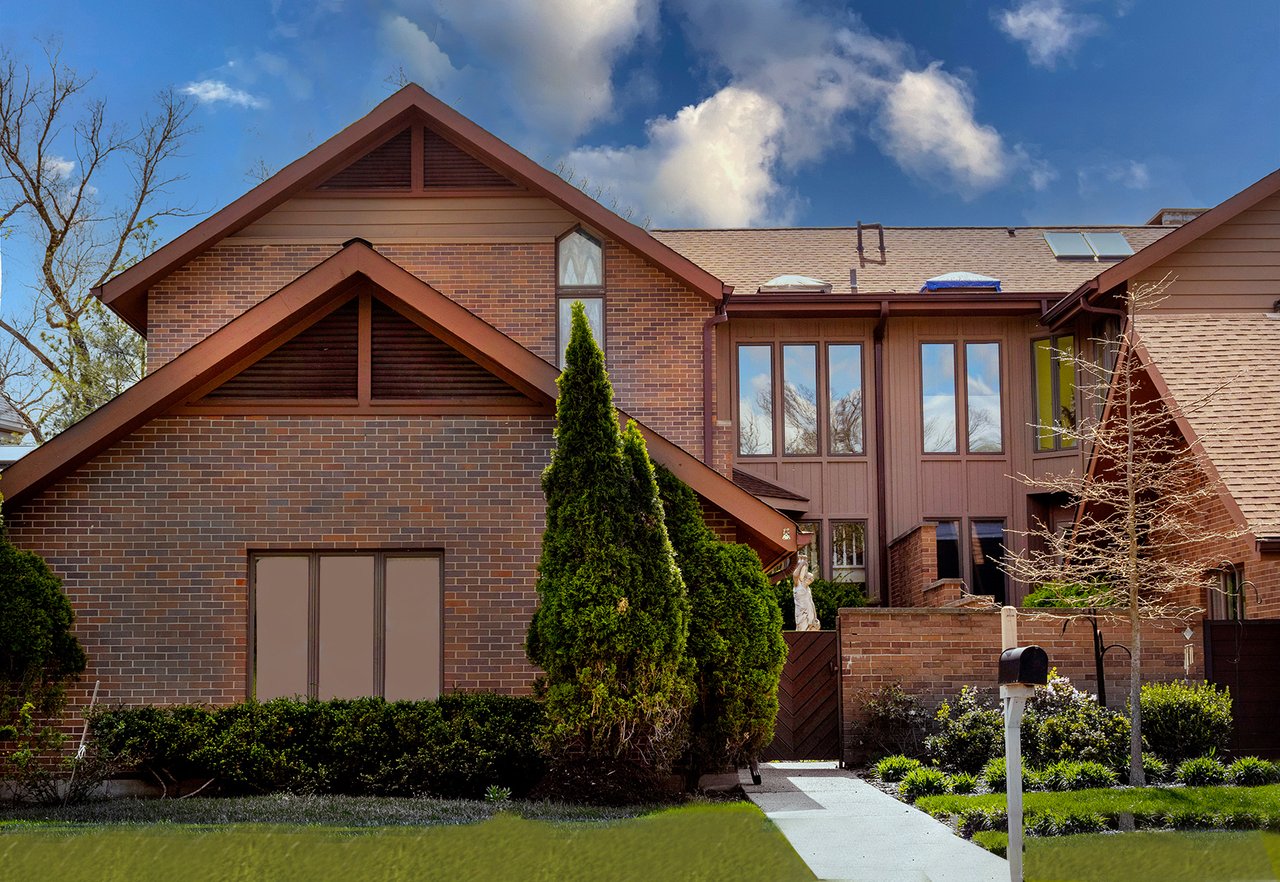
Some homes impress with their size. Others stand out because of their location. A select few offer a lifestyle that is nearly impossible to replicate. 1210 Hawthorne L… Read more
Community News
Community News
Home Sales, Prices & Market Trends

Community News
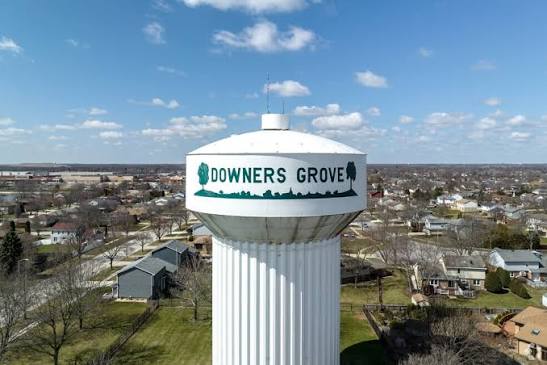
Downtown Downers Grove has long been one of the most vibrant and walkable downtown districts in the western suburbs, offering a mix of locally owned restaurants, bouti… Read more
Home Buyer Information
Buying your first home is an exciting milestone, but it can also feel overwhelming. Between saving for a down payment, qualifying for a mortgage, and understanding the… Read more

We pride ourselves in providing personalized solutions that bring our clients closer to their dream properties and enhance their long-term wealth. Contact us today to discuss all your real estate needs!