Planning Your Move From Chicago to the Western Suburbs
April 2, 2026
April 2, 2026
Thinking about leaving Chicago for the western suburbs? You are not alone, and you are probably weighing more than just square footage. Price, commute, timing, and monthly costs can all shift quickly once you move from a city condo or apartment search into a suburban home search. This guide will help you compare key western suburb options, understand the trade-offs, and plan your move with fewer surprises. Let’s dive in.
A move from Chicago to the western suburbs is rarely just a change of address. You may be balancing the sale of a city home, a new mortgage, a different commute, and a new monthly cost structure at the same time.
That is why the best moves usually start with a clear plan. When you know your price range, commute priorities, and timeline, it becomes much easier to narrow your search and avoid expensive last-minute decisions.
If you are moving west, one of the first realities to face is that each suburb comes with a different affordability picture. Even communities along the same general corridor can vary quite a bit in price and pace.
According to Redfin market data for February 2026, Chicago had a median sale price of $390,000 and homes sold in about 69 days. In the four suburbs many Chicago buyers consider, the median sale prices were:
Those numbers matter because even a moderate price difference can noticeably change your payment. Using a 30-year mortgage at about 6%, Freddie Mac’s PMMS data helps show the impact.
These estimates are directional, not exact. Your actual monthly payment will also depend on taxes, insurance, loan terms, and down payment.
One of the most common moving mistakes is focusing only on the purchase price. Your real monthly cost may look very different once you add in every line item.
The Consumer Financial Protection Bureau’s homebuying guidance recommends budgeting separately for property taxes, homeowners insurance, and mortgage insurance when your down payment is under 20%. If you are moving from a Chicago condo, you may also be used to HOA costs, which can still apply in some suburban properties.
Before you start touring homes, it helps to break your budget into categories:
That full picture often tells you more than list price alone.
For many buyers, the biggest lifestyle change is not the house itself. It is the day-to-day commute.
If you work in or near the Loop, the strongest direct rail option in this group is the Metra BNSF line. In August 2025, Metra announced expanded BNSF service, including added weekday express trains and expanded hourly weekend service. That makes this corridor especially important if predictable rail access is high on your list.
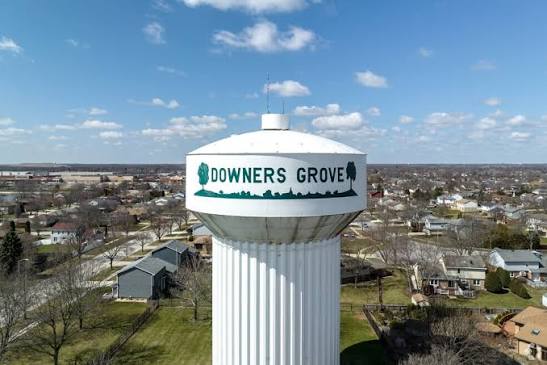
Downers Grove stands out for transit access. The village notes that it has three train stations on the Burlington Northern line, plus convenient highway access.
That extra station choice can make a real difference in daily life. The Main Street station includes BNSF service, Pace Route 834, ticket vending machines, and 875 parking spaces, while Belmont also offers BNSF service and substantial parking.
If you want the strongest mix of suburban downtown access, station options, and rail convenience, Downers Grove is the most transit-oriented option in this group.
Westmont is another strong commuter option, especially if you want direct rail access at a lower price point. The Westmont Metra station offers BNSF service, ticket vending machines, Pace Route 715, and 512 parking spaces.
The village profile also notes access to commuter rail, connecting bus service, and major expressways including I-88, I-55, I-294, and I-355. For many Chicago buyers, Westmont offers a practical middle ground between budget and commute convenience.
Darien and Woodridge can still work well, but they are usually more connection-based. Instead of living in a direct-station suburb, you are more likely to rely on a bus connection or drive to Metra.
Darien’s public transportation information points commuters to Pace Route 665 to Westmont and notes nearby Downers Grove stations for Metra service. Woodridge commuters can use Pace Route 821 to Belmont Metra Station and Pace Route 834 to Downers Grove Main Street, as outlined in the same official transit overview referenced in the research.
That does not make these communities a poor fit. It simply means you should test the real block-to-block commute before deciding, especially if your schedule depends on fast station access.
No two buyers define value the same way. Some want rail access first. Others want to control monthly costs or cast a wider net for housing options.
Here is a simple way to think about the trade-offs.
Downers Grove is the highest-priced market in this group at $530,000, and homes sold in about 55 days in February 2026, based on Redfin’s local housing market data. It tends to appeal to buyers who want strong commute infrastructure and a more established downtown-plus-rail setup.
Westmont is the most affordable entry point of the four at $325,000, with homes selling in about 63 days, according to Redfin’s Westmont market data. If you want direct BNSF access without stretching to the highest price tier, Westmont is often the first place to consider.
Darien sits in the middle at $407,250, with homes taking about 79 days to sell, according to Redfin’s Darien market report. It can be a sensible option if you are comfortable with more driving and want a suburban search that may feel less competitive than Downers Grove.
Woodridge had a median sale price of $445,000 and the slowest pace in the group at 84 days, based on Redfin’s Woodridge market data. It may suit buyers who are willing to trade direct station convenience for a broader suburban housing search and a more location-specific commute strategy.
If you are worried that suburban pricing will force you out of conventional financing, there is some encouraging news. The FHFA set the 2026 baseline conforming loan limit at $832,750, which is well above the median prices in these suburbs.
That does not guarantee approval, of course. Your loan options still depend on your actual loan amount, income, credit, assets, and down payment. Still, for many buyers moving from Chicago to these western suburbs, conventional financing may remain within reach.
This is where many moves get stressful. Selling one home while buying another sounds straightforward, but the timelines do not always line up.
Chicago homes were taking about 69 days to sell in February 2026, while the target suburbs ranged from 55 days in Downers Grove to 84 days in Woodridge, according to local market data. That means you may need to plan for overlap time, temporary housing, or a closing sequence that gives you some breathing room.
The CFPB recommends understanding your monthly spending, estimating taxes and insurance, and comparing official loan offers instead of relying on one informal lender conversation. That advice matters even more when your move depends on both a sale and a purchase.
Freddie Mac reported a 5.98% average 30-year fixed rate as of February 26, 2026 in its Primary Mortgage Market Survey. Freddie Mac also advises buyers to speak with a lender early so they can understand rate-lock options.
In real life, that early lender call can shape everything from your price ceiling to your offer timing.
As you map out your move, ask practical questions like:
The CFPB glossary notes that inspections are often part of the homebuying process, and HUD guidance referenced in the research supports the use of an inspection contingency in a sales contract. That is one reason it is smart to leave room for due diligence instead of forcing a rushed timeline.
If all four suburbs are on your list, start by ranking what matters most to you. Usually, the top factors are price, commute, and timing.
A simple checklist can help:
When you approach the move this way, your search becomes less overwhelming. You stop chasing every listing and start focusing on the suburbs that truly fit your day-to-day life.
Moving from Chicago to the western suburbs can open the door to a different kind of space, routine, and long-term plan, but the right fit depends on the details. If you want thoughtful guidance on comparing communities, budgeting for the move, and coordinating each step of the process, Wenzel Select Properties offers the kind of hands-on, local support that can make a complex move feel much more manageable.
Stay up to date on the latest real estate trends.
WSP Listings
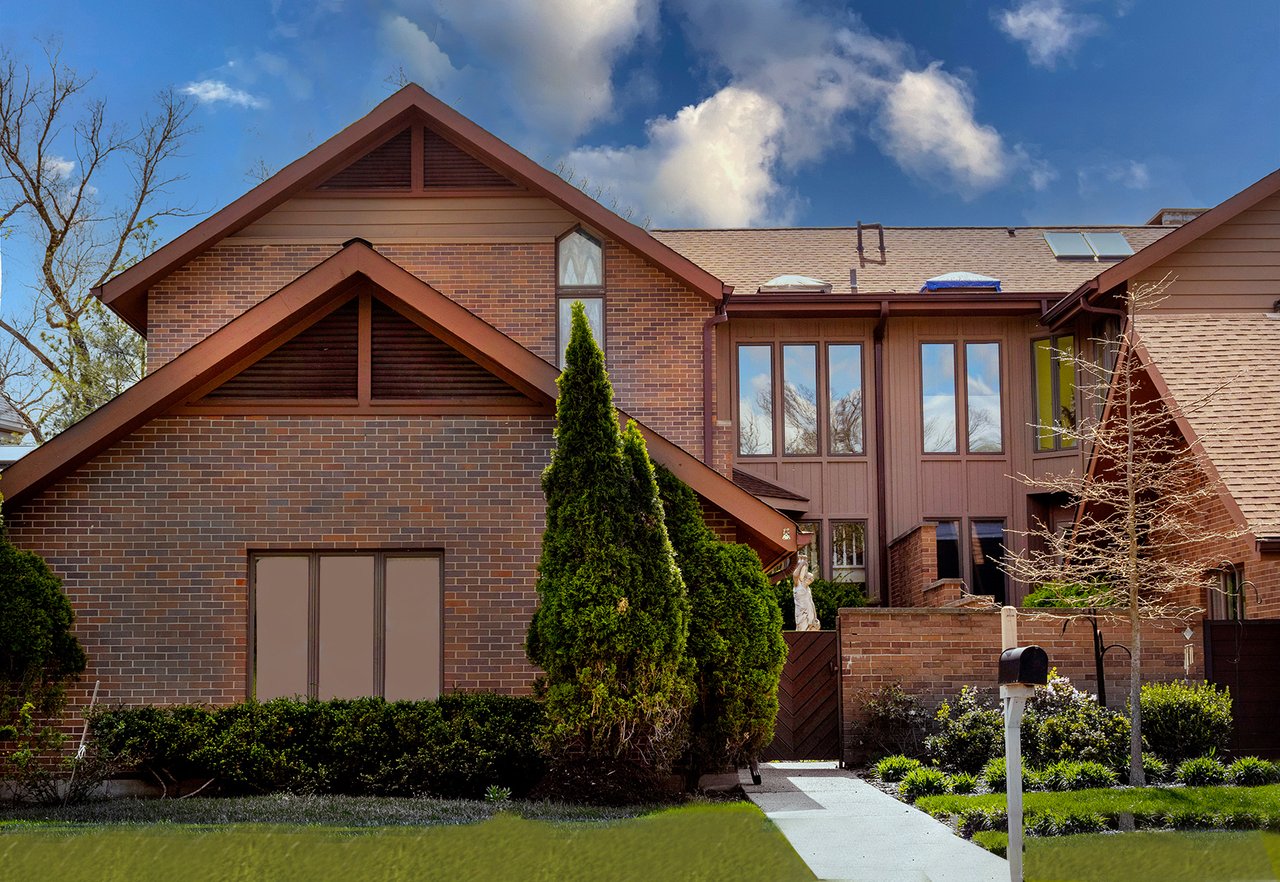
Some homes impress with their size. Others stand out because of their location. A select few offer a lifestyle that is nearly impossible to replicate. 1210 Hawthorne L… Read more
Community News
Community News
Home Sales, Prices & Market Trends

Community News
Downtown Downers Grove has long been one of the most vibrant and walkable downtown districts in the western suburbs, offering a mix of locally owned restaurants, bouti… Read more
Home Buyer Information
Buying your first home is an exciting milestone, but it can also feel overwhelming. Between saving for a down payment, qualifying for a mortgage, and understanding the… Read more

We pride ourselves in providing personalized solutions that bring our clients closer to their dream properties and enhance their long-term wealth. Contact us today to discuss all your real estate needs!